

By Tracy Keeling – The 4 Percent
The global wildlife trade body’s triennial meeting delivered triumphs for some species but illuminated systemic weaknesses that point to a troubling road ahead.
At its latest triennial conference, the global wildlife trade body removed the Caribbean monk seal from its lists of species under trade regulation for a grim reason: the species has already been exploited to extinction.
The last recorded sighting of a Caribbean monk seal, one of only three seal species adapted to live in warm waters, occurred in 1952. Since the Convention on International Trade in Endangered Species of Wild Fauna and Flora entered into force in 1975, it has recorded just a single trade in historical specimens.
The seal’s removal was therefore little more than housekeeping. In an almost clinical discussion lasting less than eight minutes, the Caribbean monk seal was quietly erased from CITES’ lists, just as it has vanished from the world.
Celebrated listing decisions
As a treaty body, CITES is meant to ensure that other wild species do not meet the same fate as the Caribbean monk seal, whose extinction is widely attributed to intensive hunting. Such excessive exploitation is not a relic of the past: a 2019 global assessment of biodiversity found that exploitation is the second biggest threat to land and freshwater species, and the leading threat to marine organisms.
During the two-week CoP20 conference in Uzbekistan, CITES parties, meaning countries signed up to the treaty, strengthened trade regulation for over 120 threatened species. Several species were brought under CITES’ umbrella for the first time. These included the school shark and guggul plant, both critically endangered, which were placed on the treaty’s Appendix II list. Other newly added species shot straight to an Appendix I listing, such as the endangered okapi and an endangered songbird, the great-billed seed finch.
CITES maintains three lists (the Appendices), each imposing different levels of trade regulation. Generally speaking, the lower the Appendix number, the stricter trade controls are. Appendix I listings are reserved for species that CITES parties agree are threatened with extinction and whose survival may be jeopardised by trade. Taking individuals of these species from the wild and trading them commercially is usually prohibited.
Appendix II, where most CITES-listed species sit, typically allows commercial trade subject to certain conditions, such as permitting requirements. In essence, its purpose is to prevent species reaching the point where Appendix I protections become necessary.
As nonprofit Pro Wildlife highlighted, parties adopted a record number of shark and ray listing decisions at the conference, covering over 70 species. “For 11 of them, a global trade ban will apply in the future,” explained Pro Wildlife’s Daniela Freyer, as those species were added to Appendix I.
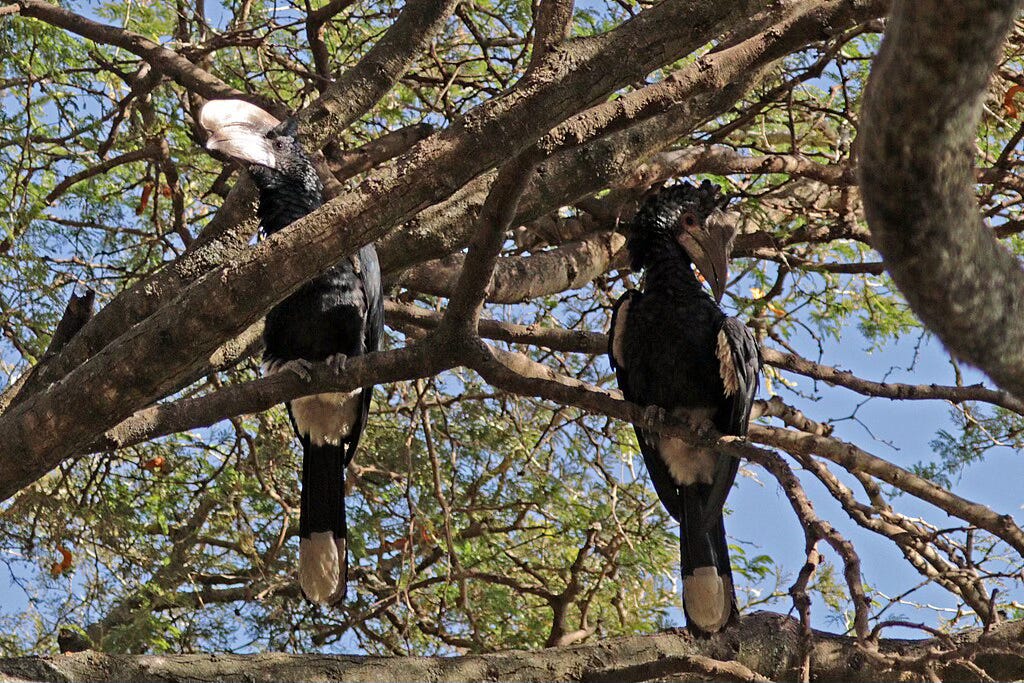
The treaty body also added four water frogs exploited in the frog legs trade to Appendix II. Other species added to this Appendix include African hornbills, two-toed sloths, several seed-finch species, two gecko species, the dorcas gazelle, the rose hair tarantula, and ponytail palms.

No appetite for certain trades
“Together with conservationists from around the world we succeeded in achieving substantial gains and preventing serious harm,” remarked Freyer after the conference, a sentiment that was widely reflected in responses from other wildlife-focused organisations.
The avoided harm Freyer was referring to included CITES parties rejecting requests from Namibia to trade elephant ivory and rhino horn. As journalist Adam Cruise highlighted, the rejections confirmed that there is “no appetite for reopening markets” in these high-value body parts, which have long been subject to international bans.
Experience shows that creating legal markets “would almost certainly fuel trafficking, increase poaching pressure, and further endanger Africa’s rhinos and elephants,” says Tim Santel, a retired US Fish and Wildlife Service agent who now works with nonprofit Focused Conservation. Distinguishing legal from illegal products, especially carved and modified items, “remains virtually impossible in real time,” he adds.
A case in point: in 2008, CITES approved ‘one-off’ sales of certain ivory stockpiles. This was followed by a significant rise in illegal killings of African elephants, accelerating a gradual upward trend that occurred from 2002-2007, according to a September study published in Global Ecology and Conservation. Since then, various countries have introduced domestic ivory trade bans, including China, a dominant consumer of ivory products. The researchers found that these bans coincided with notable declines in the illegal killing of African elephants between 2016 and 2022, indicating that domestic prohibitions are vital complements to international restrictions.
Their findings were echoed in a further study, published in Biological Conservation, which found that China’s domestic ivory market closure corresponded with a 50% decrease in the illegal killing of elephants.
Faith in sustainable use
The conference outcomes show that CITES can deliver wins for wildlife. But some results also illuminated tensions at the heart of the treaty, which shaped some of the conference’s more troubling decisions.
As a convention that sits at the intersection of trade and conservation, CITES is rooted in the belief that exploitation can benefit both people and wildlife if conducted sustainably. At CoP20, this faith in sustainable use was evident in a decision on Saiga antelopes, where lessons learned in the ivory and rhino horn trades appeared to fall by the wayside.
Parties agreed to allow extensive but time-limited international trade in saiga horn from Kazakhstan. Saiga were considered critically endangered until recently. But with populations in Kazakhstan now reportedly thriving, and smaller but recovering numbers elsewhere in its range, the International Union for Conservation of Nature Red List reclassified the still “largely depleted” species as near threatened in 2023.
The Wildlife Conservation Society has warned that opening a legal trade in saiga horn when the species remains vulnerable, and without adequate provisions to prevent illegal trade, puts saiga across its range at risk, including a unique Mongolian species.
The treaty body’s deference to trade was apparent in other decisions at the conference too. Parties rejected a proposal to list all Anguillid eel species in Appendix II, for instance, even though the global trade in these eels is rampant, mired in illegality, and contributing to pushing several exploited species towards extinction.
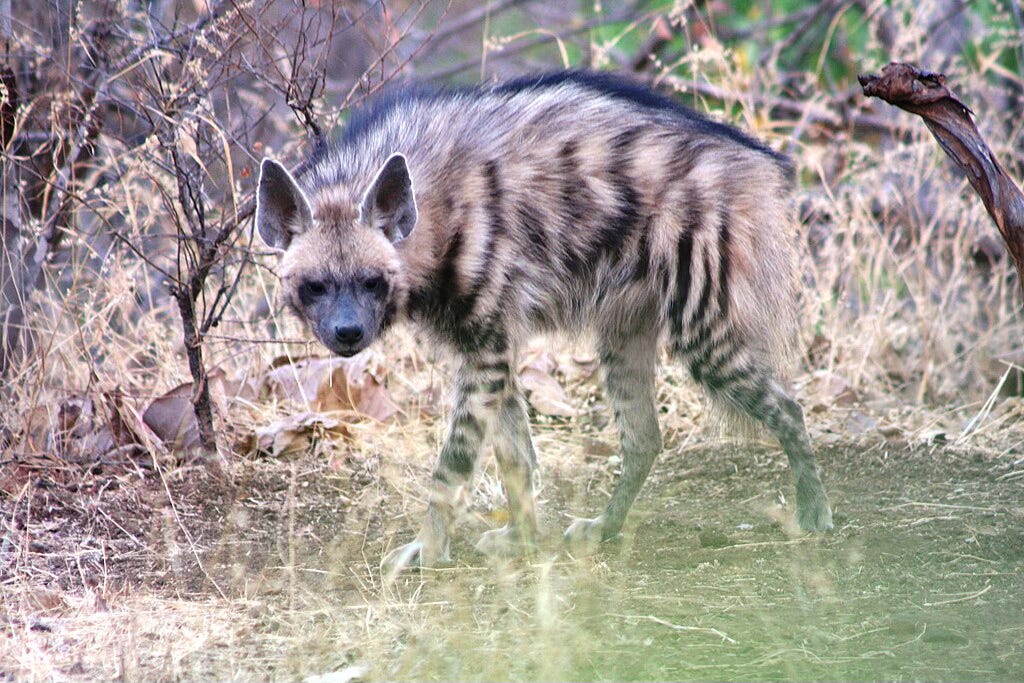
A bid by Tajikistan to list the striped hyena in Appendix I also failed to gain the necessary support, although the species was ultimately added to Appendix II. As the Tajikistan Nature Foundation has highlighted, exploitation is among the significant threats to this species, with individuals traded to zoos, sold as pets, and its body parts utilised in traditional medicine. The animals are also targeted in trophy hunting in some countries.

Too little, too late
Many of the celebrated listing decisions also pointed to a sobering truth about CITES: it too often acts too little, too late.
Aside from the addition of species to Appendix II, most of which were previously unlisted in any Appendix, the largest bloc of proposals involved transferring species from Appendix II to Appendix I. These covered over 20 species and almost all were successful, including proposals for all manta and devil rays, the golden-bellied mangabey, two vulture species, four iguana species, Home’s hinged-back tortoise, the whale shark, and two succulents.
Parties also approved proposals to prohibit commercial exports of wild-caught wedgefishes and giant guitarfishes – 20 species already listed in Appendix II – and of wild-sourced Brazilwood, another Appendix II listed species.
As highlighted earlier, species are added to Appendix II precisely to ‘closely control’ trade so it doesn’t contribute to their extinction risk or lead them towards needing Appendix I protections. The number of species shifted from Appendix II to Appendix I at CoP20, along with new prohibitions on commercial trade for species that remain in Appendix II, illustrates that the system is not functioning as intended.
It is important to note that trade is often not the only threat faced by CITES-listed species, meaning that stronger protections from trade may not alone solve species’ predicament. The Democratic Republic of Congo’s golden-bellied mangabey is one example. Habitat destruction and hunting for its meat are dominant threats to this endangered primate, as Mongabay has reported. But the species is also threatened by the global exotic pet trade and its decades-long Appendix II listing has proved an insufficient safeguard against unsustainable and illegal trade, prompting the mangabey’s transfer to Appendix I.Subscribe
Late listings even in clear cut cases
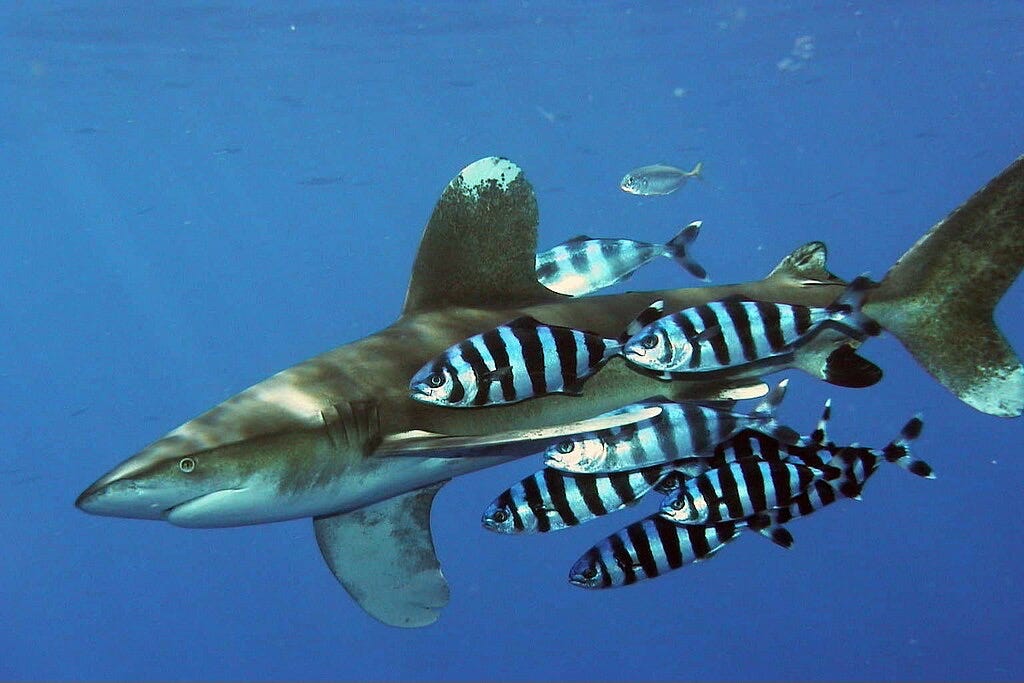
In other cases, exploitation is the leading threat to species – making the case for swift and strict trade regulations more clear cut. The oceanic whitetip shark is an example, which was also transferred from Appendix II to Appendix I at CoP20.
As far back as 2006, the IUCN warned that conservation and management actions were “urgently required” to protect this shark from overfishing. Yet, CITES did not list the species until 2013, and then only in Appendix II, allowing international commercial trade to continue.
CITES records show that countries reported 32 metric tons of commercial exports involving the shark between its listing and 2021, almost exclusively fins, according to a 2023 analysis submitted by the Maldives to the treaty body. Moreover, the analysis presented evidence showing that trade occurred “at significantly higher volumes, and from a wider range of Parties, than reported to CITES.”
Only now have parties agreed to prohibit commercial trade in the oceanic whitetip shark by moving it to Appendix I – seven years after the IUCN classified the species as critically endangered following an estimated 98% global population decline over six decades.
These details show that while parties deserve credit for strengthening protections for certain species, they must also fix the systemic shortcomings that leave many species being protected too little and too late.

Treaty at breaking point
Another systemic weakness came to the fore at the conference – one that goes beyond species listings and relates to the health of the treaty itself.
The global legal trade in wildlife is estimated to be worth around $220bn annually. Yet, CITES is facing a resource crisis. Early on in the event, chair of one of CITES’ permanent committees, Mathias Lörtscher, explained that the treaty body’s workload roughly tripled between 2010 and 2022, while resources remained stagnant.
The expanded workload has “caused the parties and the committees – and inadvertently the Secretariat – to reach a breaking point where more work cannot be tackled with the current system,” he warned.
Although parties make decisions at conferences, the work they generate happens between these meetings and often falls to entities like the Secretariat, which oversees the working of the Convention, and the body’s permanent committees, such as the Plants and Animals committees.
The resource crisis influenced outcomes and parties’ positions throughout the conference. It was, for instance, a factor in parties deciding to scrap parts of proposed work on marine ornamental fishes, most of whom are not yet CITES-listed but would undoubtedly benefit from inclusion.
Objectors to the establishment of a Great Ape Task Force also cited resource constraints, as did parties pushing to fold work on the illegal trade in cheetahs into a broader task force for all big cats. To the relief of proponents, parties ultimately concluded that focused work on great apes and cheetahs should proceed – an important outcome considering the grave threats both face from the trafficking of young individuals for the exotic pet trade.
Turbulent times ahead
Solutions to CITES’ resource crisis were also discussed during the event. Absent from the ideas were the sort of suggestions voiced by nonprofits and researchers outside of these conference halls: that those who profit most from this lucrative trade should be compelled to fund the cost of meaningful regulation.
Instead, the Secretariat floated the idea of extending the period between conferences from three to four years, which would reduce parties’ decision-making to just twice a decade. This appeared unpopular among parties, for reasons that WCS’ Susan Lieberman articulated well. “In today’s rapidly shifting context, with biodiversity crisis accelerating, that would carry irreversible risk for species,” she warned.
An idea that did secure support was the creation of a prioritisation matrix. This tool would help the committees and the Secretariat to systematically organise intersessional work arising from conference decisions according to how strongly each advances the Convention’s aims.
Work on the matrix is in development, but the potential drawbacks for species are already apparent. The example matrix circulated at the conference explicitly labelled non-CITES species as a “lower-priority item,” signalling that work on them would likely take a back seat to decisions involving listed species that score more favourably.
CITES’ work on non-listed species can expose important blind spots in the Appendices – pointing to species in need of listings that parties have simply overlooked, such as the aforementioned marine ornamental fishes and imperilled songbirds.
Parties also agreed to a gradual CITES budget increase over the next three years, from $6.5m to $7.5m. But given the body’s ever-growing workload, including new tasks generated at this conference, one delegate warned the increase “is insufficient to accomplish all the mandated work.”
At the start of CoP20, CITES’ secretary-general Ivonne Higuero said the event would “set the course for the Convention for the next 50 years.” Many of its outcomes have rightly been celebrated, but the systemic problems laid bare at the conference suggest the road ahead will be difficult — both for the treaty body and for the species that depend on it to save them from extinction.
https://tracyk.substack.com/p/beneath-the-surface-of-the-wins-for


